WB GROUP and Saab deepen their cooperation to strengthen NATO’s Eastern Flank
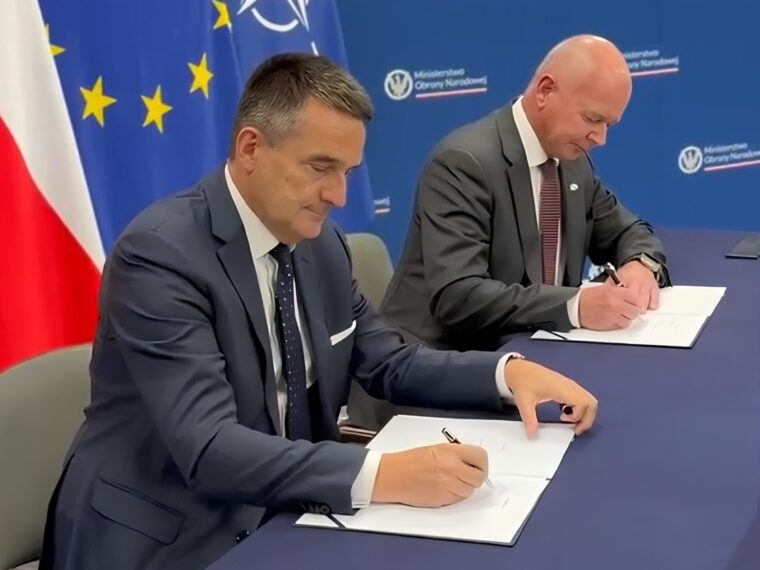
WB GROUP and Saab are expanding their industrial and research and development cooperation, focusing on projects that will strengthen defence capabilities and military interoperability across the Baltic Sea region. The agreement identifies specific areas with the greatest potential for joint industrial and capability development in Poland and Sweden.
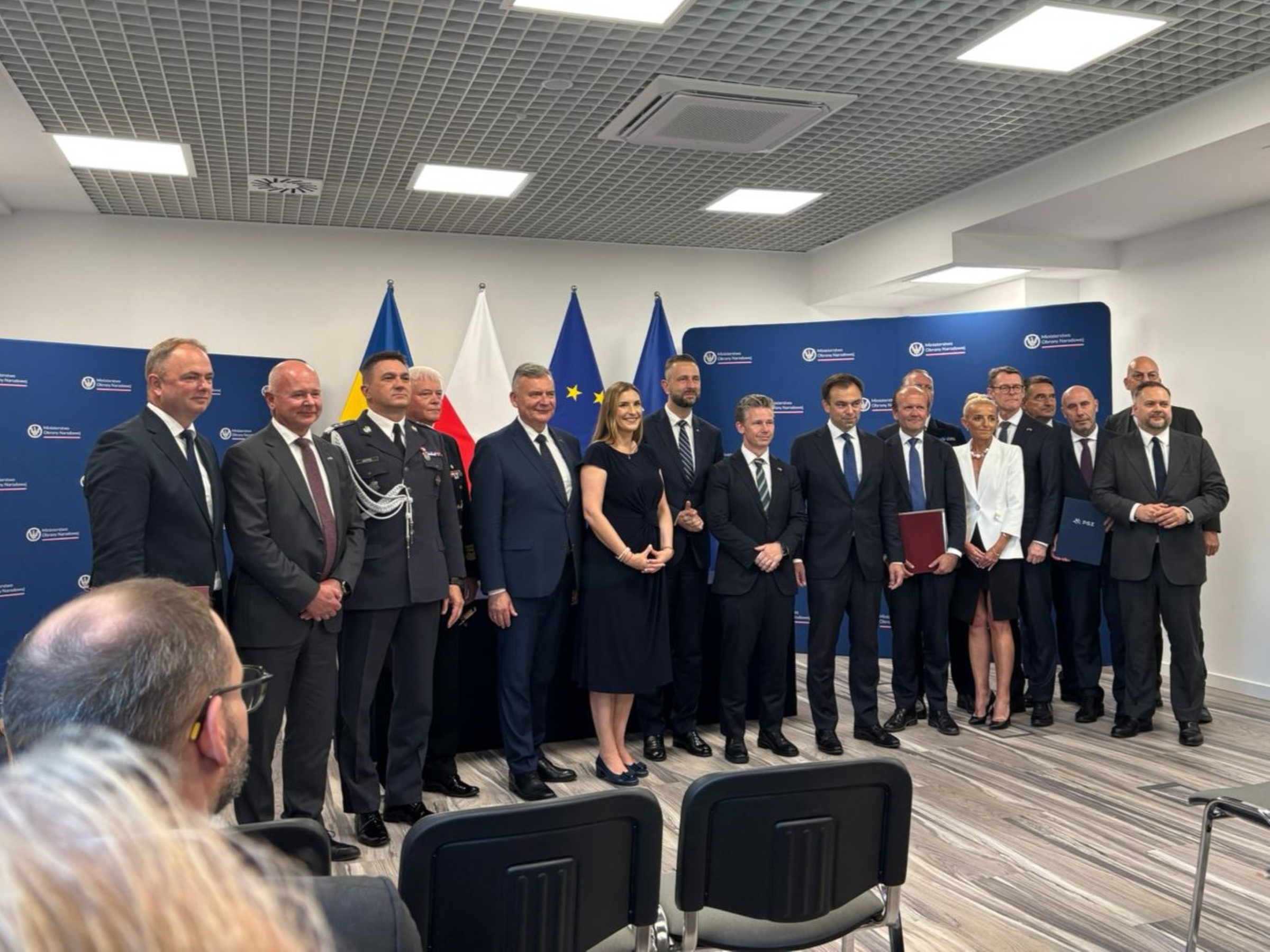
On 29 June in Gdynia, during the event accompanying the Polish Ministry of National Defence’s signing of the Orka submarine programme contract, WB GROUP and Saab signed an agreement defining key areas of industrial cooperation in the field of unmanned reconnaissance and strike capabilities (C4ISR UxS).
Signed alongside the Orka submarine programme – one of Poland’s largest defence procurement programmes – the agreement reflects the growing strategic partnership between the Polish and Swedish defence industries, encompassing joint research and development, industrial cooperation, and the delivery of interoperable defence capabilities.
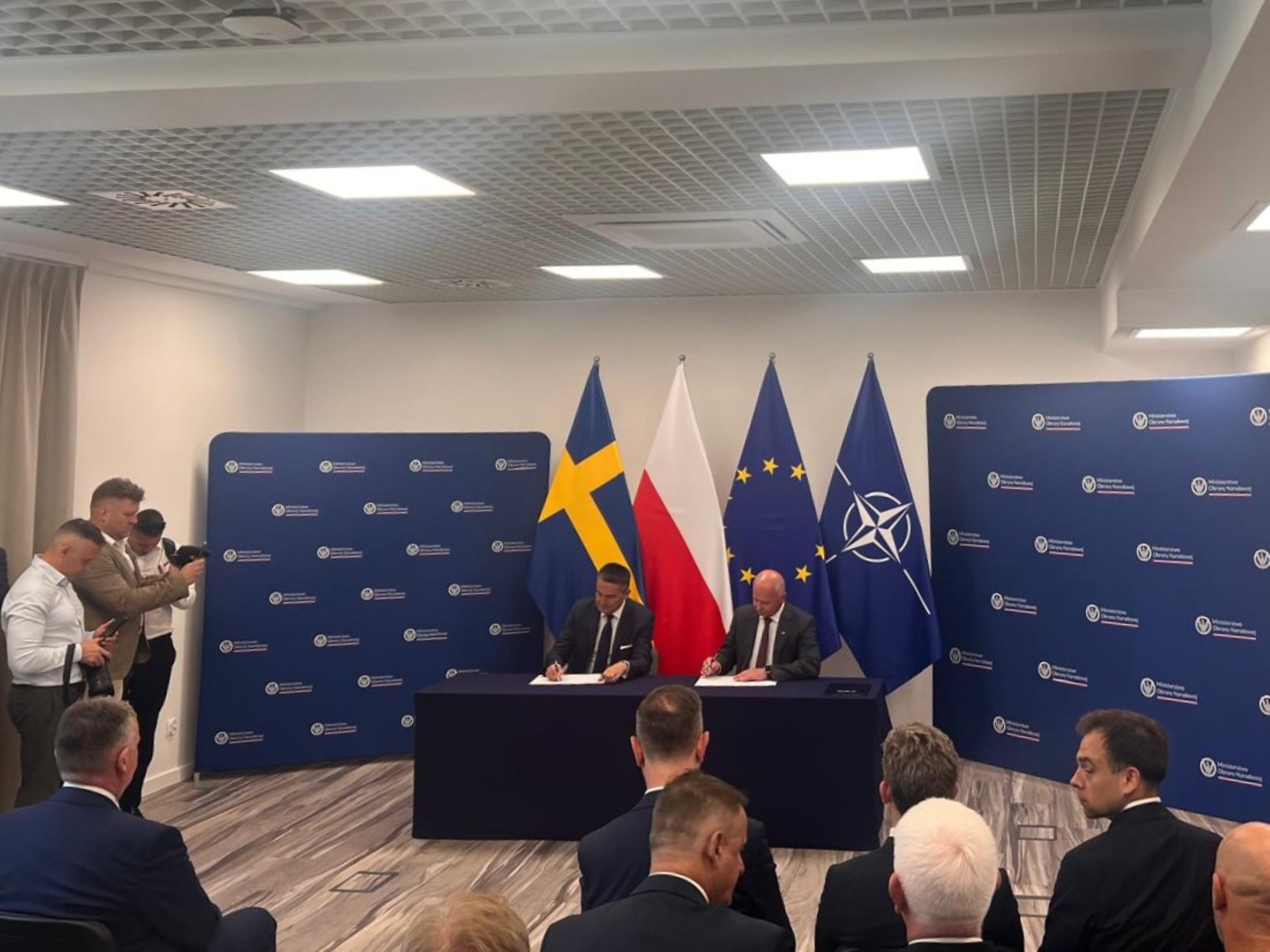
Within this broader framework, WB GROUP and Saab will combine their complementary expertise in unmanned systems, C4ISR and autonomous platforms to develop capabilities that enhance interoperability between the armed forces of Poland, Sweden and NATO allies.
Under the agreement, the companies will focus their cooperation around several WB GROUP solutions, including the GLADIUS reconnaissance and strike system, the Future Task Force manned-unmanned platoon concept, and autonomous unmanned surface vessels. A key element of the cooperation will be the adaptation of the GLADIUS system to meet the operational requirements of the Swedish Armed Forces.
The Polish Armed Forces were the first to field the GLADIUS unmanned reconnaissance and strike system. It is currently in service with the 18th Mechanised Division and other units. During the multinational Baltic Shield exercise, involving the Armed Forces of the Kingdom of Denmark, GLADIUS demonstrated its ability to operate seamlessly in an allied environment and confirmed full interoperability with NATO systems.
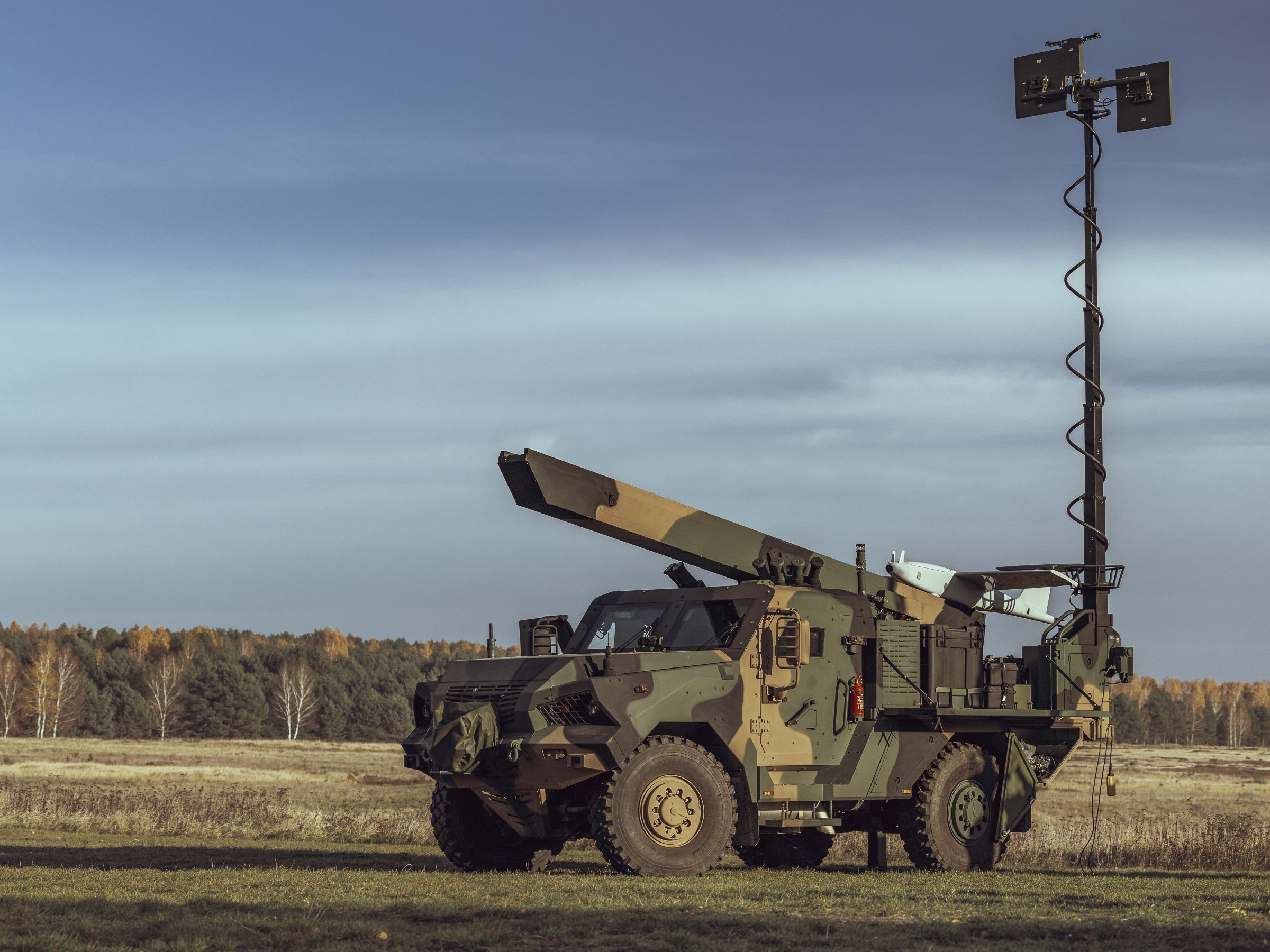
GLADIUS features open architecture and modular design, enabling integration with national C5 systems (Command, Control, Communications, Computers and Cyber Defence), adaptation to individual operational requirements, and the incorporation of selected components — such as vehicles — provided by local industry.
Its modular architecture and compliance with NATO standards make GLADIUS well suited to the requirements of allied armed forces, enabling users to integrate national capabilities while retaining flexibility to expand the system over time.
The projects pursued under the agreement will strenghten interoperable defence capabilities across the Baltic Sea region and NATO’s eastern flank, strengthening Europe’s defence industrial base and supporting the objectives of the European Defence Project of Common Interest (EDPCI) Eastern Flank Watch.